Marvel has been giving us films of different genres and quality since Iron Man in 2008, and one of the studio’s most noteworthy films for a variety of reasons was 2018’s Black Panther starring actor Chadwick Boseman.
The film was monumental at the time because while the rest of the world was continuing to fracture deeply down the middle based primarily on racial divide paradigms (which unfortunately is nothing new for this country), Marvel went back to the old school ideals of its comic book print roots and proved that it could use the superhero genre to actually mend some of the fractures. The film had an excellent story and acting, and featured a predominantly black cast that fans of any color or religion could come together and enjoy in a cinematic universe where those ideas took a subtle back seat while still remaining a focus.
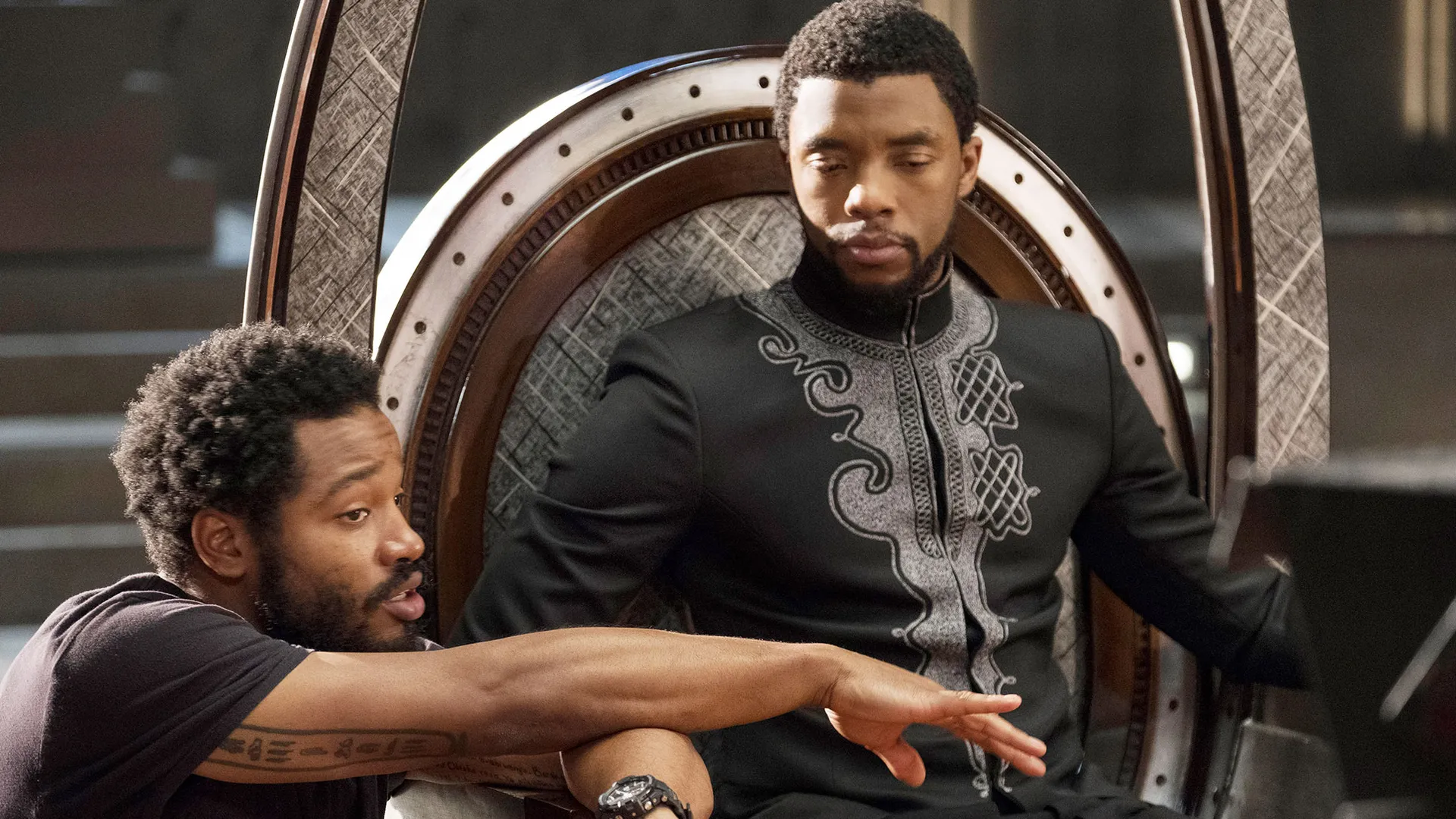
Prior to Black Panther releasing, and the solo movie even really being a thing, director Ryan Coogler had met with late star Chadwick Boseman about working together, and in a recent interview with the Hollywood Reporter Coogler recalled the first time he sat with Boseman and knowing right then and there that he wanted to work with the actor. At this point, it was rumored that talks between Marvel Studios and Coogler to direct Black Panther had all but come to a halt, but Boseman still had the chance to first meet the director while Coogler was doing press all the way back in 2015 for his first massive blockbuster hit Creed, starring Michael B. Jordan. According to the director, “I was doing press for Creed. And he kinda pulled up, he snuck in, and we sat, and we were feeling each other out.” While Boseman had already landed the role of T’Challa and filmed his scenes for the character’s debut MCU film, Captain America: Civil War, the idea of a solo film with Coogler was still gestating with the studio.
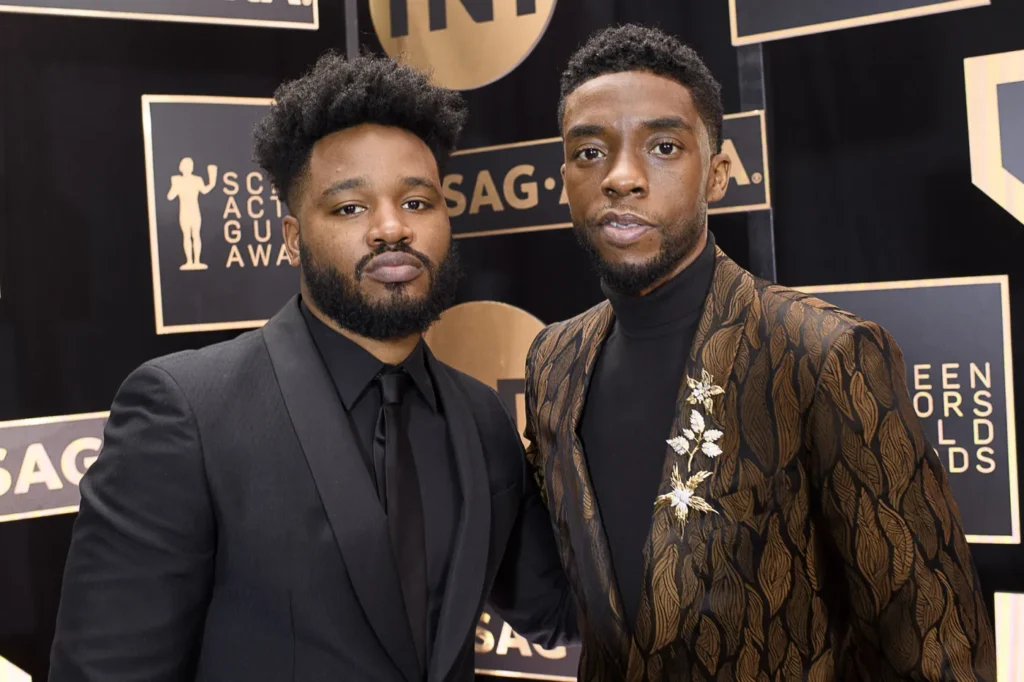
The meeting led to a connection between the director and the actor as they shared plenty of common ground between their mutual link with Creed costar Phylicia Rashad, who was at one time Boseman’s teacher at Howard University and helped to propel his acting career by arranging an Oxford fund made a reality by actor Denzel Washington. In a way, Boseman became a prominent name in acting thanks to Rashad. Coogler had brought up their Howard University connection during the interview with THR. According to the director, “I asked him about a bunch of people who I knew went to Howard at the same time as him,” and the two formed a mutual bond around one of Boseman’s classmates who was gunned down by an off-duty police officer.
At that point, that was when the pair knew they wanted to work together, with Coogler recalling Boseman telling him that the actor, “felt like [he] could talk to you about things I can’t normally talk to people in this industry about.” Even after the meeting, it was still up in the air if they would be working together on Black Panther, but eventually Marvel offered the directorial job to Coogler after Creed‘s success. Coogler then recalled to THR the feeling of doubt and not knowing how the film would be received at the time, even though Boseman seemed to know right out of the gate the impact the film would have, “I had no idea the work that we would do would impact the world as it did, but crazy enough, he did… He would talk about it all the time and I think a lot of it has to do with the time that he spent at Howard. It gave him that specific yet global perspective. Our stories are global stories. They’re for us but, when told well, everybody can enjoy them.” That beauty of Black Panther was that it was able to leverage the Marvel franchise as a vessel to connect the rest of the world with Boseman’s goals that his time at Howard University instilled in him. The film was was filled with social commentary that was easily digestible for any audience, regardless of their beliefs on race. And this is something that Coogler could easily connect with based on their mutual world view.
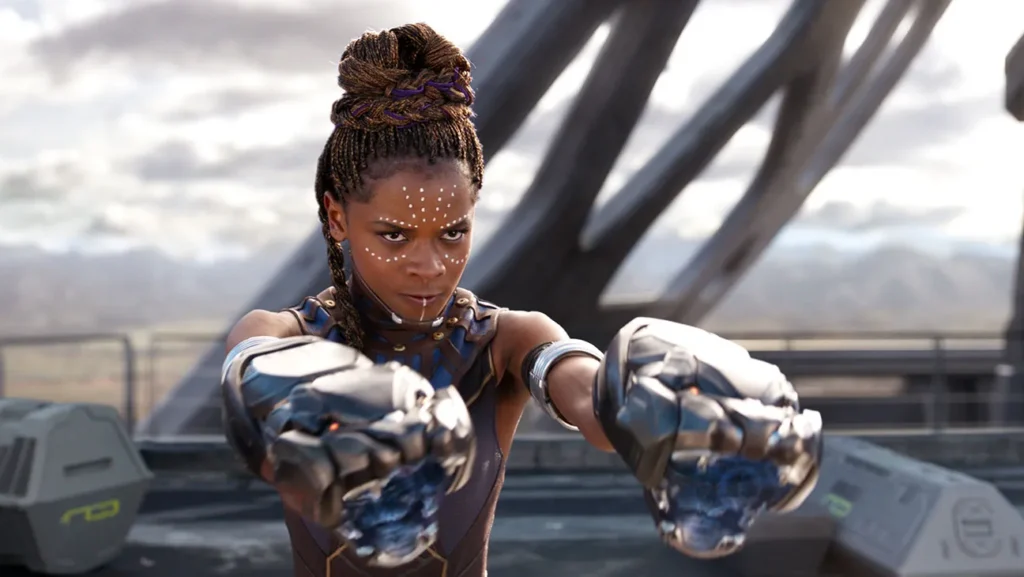
Coogler credits Boseman with helping, “to shape me and define the man and the artist that I’ve become in these past few years.” Coogler is now one of the most prominently known names in the industry, and followed up his initial successes with more theatrical hits like Sinners (2025) and the Black Panther sequel, Wakanda Forever (2022), which took the foundation that Boseman helped to create and proved that it was strong enough to propel forward even after his untimely death. The character is still held in high regard among Marvel fans and will continue into the future of the MCU with Shuri’s (Boseman’s successor) inclusion in Avengers: Doomsday and the confirmed third entry in the Black Panther franchise. It still all goes back to the first monumental film in the franchise back in 2018 and without those first steps both Boseman’s and Coogler’s legacies wouldn’t be nearly what they ended up as today.
The director finished by recalling his time going to comic book shops as a kid and his own personal challenges faced during his professional come up, “Because the work is so hard, you can’t come from an outside place, or the audience will feel it or you’ll just give up. Because when it gets hard, it’s like, ‘Why am I even doing this?’ So, yeah, that was the technique I learned in film school and I kind of kept rolling with that.” Luckily for fans of the franchise, Coogler did not give up and as a result Black Panther has continued to be one of the most well regarded franchises for the MCU. Although the sequel didn’t get quite the fanfare of the original Black Panther, it was enough to continue the legacy that Boseman started and it will be interesting to see what the foundation T’Challa helped to solidify eventually becomes with the next slate of Marvel films.
Source: The Hollywood Reporter